
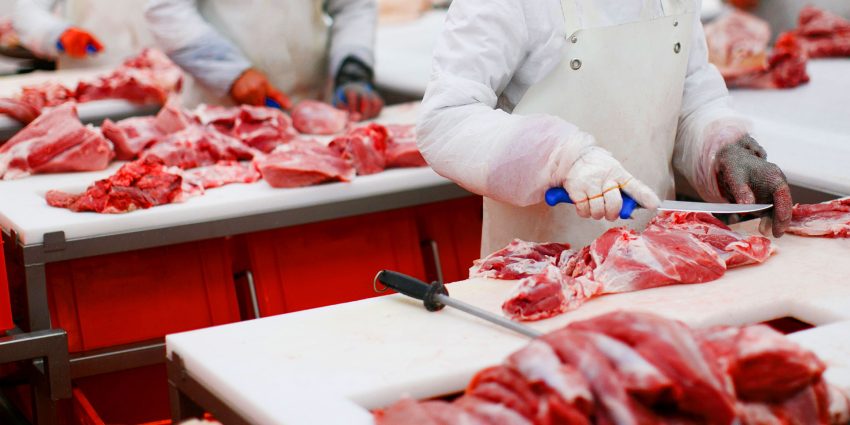
When it comes to breaking down meat with precision, power, and confidence, nothing beats a quality butcher knife. Whether you're…
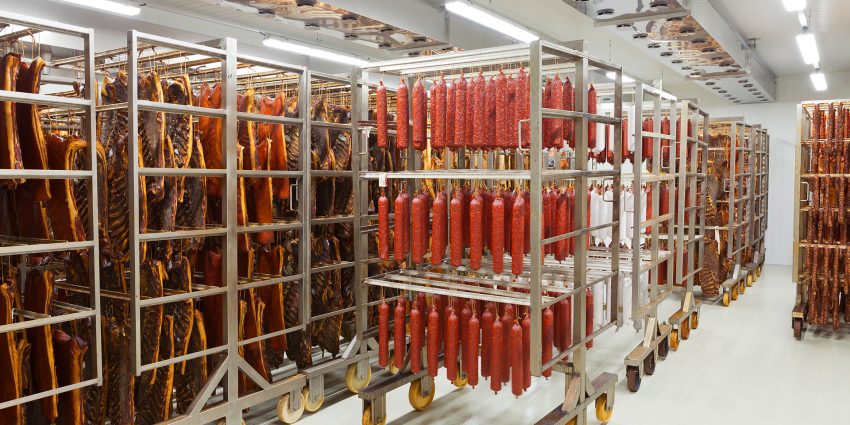
Hook and Rail Meats: The Hidden Cuts Powering Modern Butchery
If you've ever stood at the meat counter wondering why some cuts come perfectly trimmed while others arrive with stray…
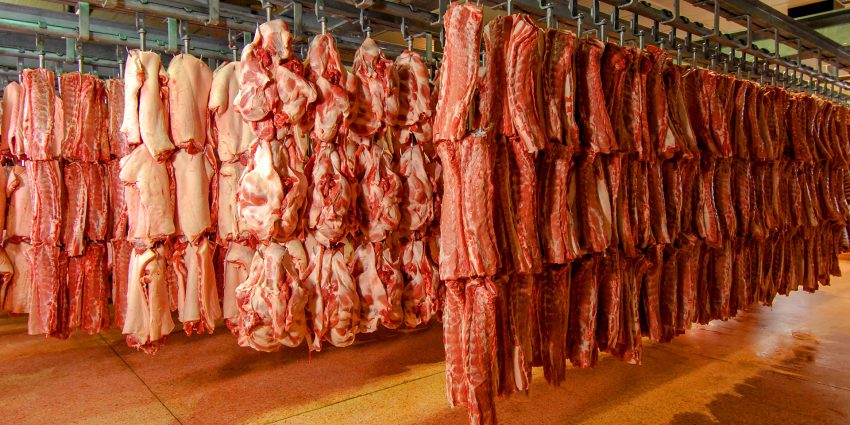
Meat Processing Equipment: Essential Machinery for Modern Production
The meat processing industry has undergone a remarkable transformation over the past few decades, evolving from manual labor-intensive operations into…
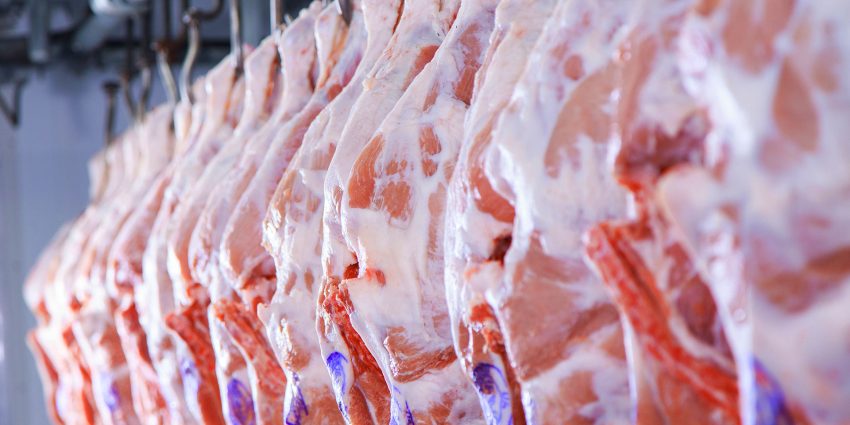
4 Processing Tools That Have Stood the Test of Time
Some tools come and go. Others remain unchanged for decades. In meat processing, certain tools have proven their value through…
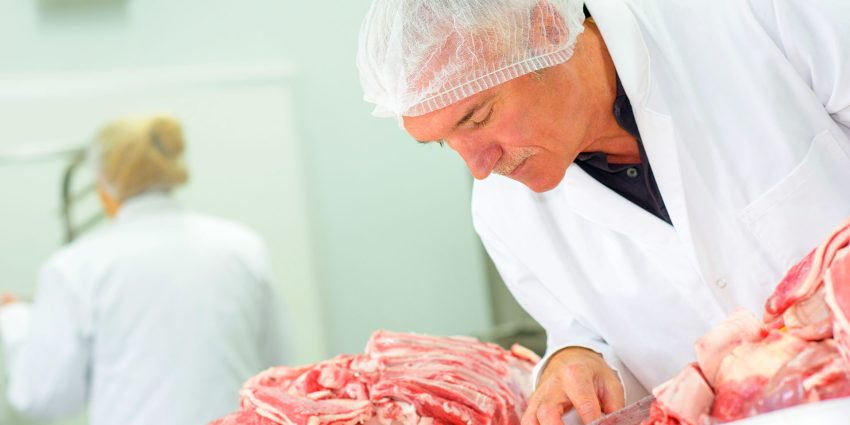
The Most Underrated Tools in Every Meat Processing Kit
When people think about meat processing, they picture the obvious tools. Knives, grinders, saws. These get all the attention. But…

How to Create a Tool Setup That Works for Your Entire Team
A single tool setup might work for one person, but teams bring different habits, preferences, and workflows. Creating a system…

How to Spot Tools That Withstand Daily Abuse Without Slowing You Down
Some tools look great on day one. Clean finish, sharp edges, smooth operation. Then the real work begins. Repetition, pressure,…

How Proper Tool Choice Boosts Productivity on the Line
In high-volume processing environments, efficiency determines success. Every step along the line must move smoothly. Workers depend on reliable tools…

4 Butcher Tools That Meet Strict Sanitation Standards
Sanitation sits at the center of every professional meat operation. Whether in a processing facility, butcher shop, or commercial kitchen,…

The Real Cost of Replacing Low‑Quality Tools Year After Year
Cheap tools often look like a bargain. The price tag seems small. The tool performs the basic job. At first…