
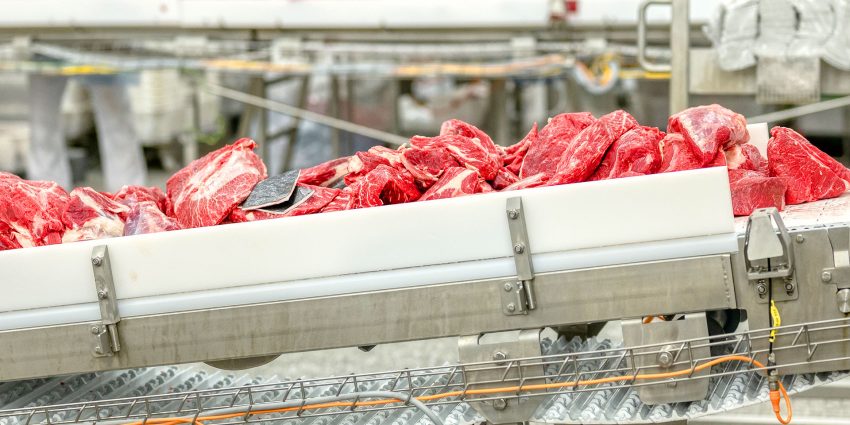
If you’ve ever watched a butcher shop or commercial kitchen in full swing, you’ve probably noticed one small piece of equipment doing a whole lot of heavy lifting: the meat hook. It’s not glamorous. Nobody writes odes to it. But get the wrong one, and you’ll know almost immediately, whether that’s rust bleeding into product, a bent shank mid-shift, or a hook that snaps under a heavy carcass. A stainless steel meat hook solves nearly all of these headaches, and understanding why it’s the industry standard can save your operation time, money, and a few unpleasant surprises.
What is a stainless steel meat hook used for?
A stainless steel meat hook is used to suspend, transport, and process meat in butcher shops, slaughterhouses, and cold storage facilities. It resists corrosion, rust, and bacterial buildup, making it safe for direct food contact. Common uses include hanging carcasses, drying sausages, and moving product through processing lines efficiently.
Quick Snapshot:
- Made from food-grade stainless steel (usually 304 or 316 grade)
- Resistant to rust, corrosion, and moisture damage
- Used in meat processing, cold storage, and butcher shops
- Available in multiple shapes: single, double, S-hooks, and boning hooks
Why Stainless Steel Beats Every Other Material
Meat hooks used to be made from plain carbon steel or galvanized metal. They worked, sort of, until moisture got involved. Rust would form within weeks, sometimes days, in humid processing environments. That rust doesn’t just look bad; it flakes, contaminates product, and forces constant replacement.
Stainless steel changed the game entirely. Its chromium content forms a passive oxide layer that actively resists corrosion, even in wet, salty, or acidic environments common in meat processing. This isn’t just a marginal improvement, it’s the difference between replacing hooks every month versus every few years.
The Practical Benefits
- Longevity: A quality stainless hook can last a decade or more with proper care.
- Hygiene: Non-porous surface means bacteria has nowhere to hide.
- Strength: Handles heavy loads, think full carcasses, without bending or snapping.
- Easy cleaning: Withstands repeated sanitizing, hot water washes, and harsh detergents.
Types of Stainless Steel Meat Hooks You’ll Actually Encounter
Not all hooks look the same, and choosing the wrong style for the job creates unnecessary friction on the line. Here’s a rundown of what’s out there.
1. Single Prong Hooks
The simplest design. One curved point, ideal for hanging smaller cuts or lighter product where a single anchor point is sufficient.
2. Double Prong Hooks
Two points distribute weight more evenly, making these ideal for heavier cuts or carcasses that need stable, balanced hanging.
3. S-Hooks
Versatile and compact, S-hooks are often used in smoking, curing, or drying applications where product needs to hang freely without additional rigging.
4. Boning Hooks
Used more as a handheld tool than a hanging device, boning hooks help stabilize meat during cutting and deboning, keeping hands safer and cuts cleaner.
Grade Matters: 304 vs. 316 Stainless Steel
Not all stainless steel is created equal, and this is where a lot of buyers get tripped up.
- 304 Stainless Steel: The most common choice. Great corrosion resistance, cost-effective, suitable for most indoor processing environments.
- 316 Stainless Steel: Contains molybdenum, offering superior resistance to chlorides and salt exposure. Ideal for coastal facilities or environments with heavy sanitizing chemical use.
If your facility deals with high humidity, saltwater proximity, or aggressive cleaning chemicals daily, 316 is worth the extra investment. For standard indoor use, 304 typically does the job just fine.
How to Choose the Right Meat Hook for Your Operation
Selecting equipment isn’t just about grabbing whatever’s cheapest on the shelf. Weight capacity, hook shape, and finish quality all play a role in daily efficiency and worker safety.
This is actually a bigger deal than most people realize. The equipment you choose directly impacts throughput, safety incidents, and even employee fatigue over a shift. In fact, tool choice has a measurable effect on productivity across processing lines, and meat hooks are no exception to that rule.
Key Factors to Consider
- Weight capacity: Match the hook rating to your heaviest product loads.
- Finish quality: A polished, smooth finish reduces bacterial buildup and snagging.
- Hook shape: Match the design to your specific workflow, whether that’s hanging, drying, or cutting.
- Certifications: Look for NSF or food-safety certifications to ensure compliance.
Maintenance Tips That Actually Extend Lifespan
Even stainless steel needs care. Neglect leads to premature wear, even on high-grade material.
- Rinse hooks after every use to remove blood, fat, and debris buildup.
- Avoid prolonged exposure to chlorine-heavy cleaning agents when possible.
- Inspect regularly for bending, cracking, or surface pitting.
- Store in a dry area to prevent unnecessary moisture exposure, even though rust resistance is high.
Skipping these steps won’t destroy a hook overnight, but cumulative neglect shortens lifespan and increases contamination risk over time.
Common Mistakes Facilities Make
A surprising number of processing issues trace back to hook selection or upkeep, not the actual meat handling process itself.
- Using undersized hooks for oversized loads, leading to bending or failure
- Ignoring surface corrosion until it becomes a compliance issue during inspection
- Mixing hook grades across a facility, causing inconsistent durability
- Failing to train staff on proper hanging technique, increasing wear and injury risk
Avoiding these pitfalls is less about spending more money and more about being intentional with equipment choices from the start.
Final Thoughts
A stainless steel meat hook might seem like a small, unremarkable piece of equipment, but its impact on hygiene, safety, and efficiency is anything but minor. Choosing the right grade, shape, and maintenance routine keeps your operation running smoothly while minimizing contamination risks and equipment failures. Whether you’re running a small butcher shop or a large-scale processing facility, investing in quality hooks pays off in durability and peace of mind.
Frequently Asked Questions
How long do stainless steel meat hooks last?
With proper care, quality stainless steel hooks can last several years, often a decade or more, even in demanding commercial environments.
Can stainless steel meat hooks rust?
They’re highly resistant to rust due to the chromium oxide layer, but poor maintenance or exposure to certain harsh chemicals can eventually cause surface pitting over extended periods.
What’s the difference between 304 and 316 stainless steel hooks?
316 stainless steel contains molybdenum, offering better resistance to salt and chlorides, making it ideal for coastal or heavily sanitized environments. 304 is more cost-effective for standard indoor use.
Are stainless steel meat hooks dishwasher safe?
Most can withstand commercial dishwashers and hot water sanitizing cycles, but always check manufacturer guidelines to avoid unnecessary wear.
What weight can a meat hook typically hold?
This varies significantly by design and grade, ranging from a few pounds for small S-hooks to several hundred pounds for heavy-duty double prong hooks used for full carcasses.