
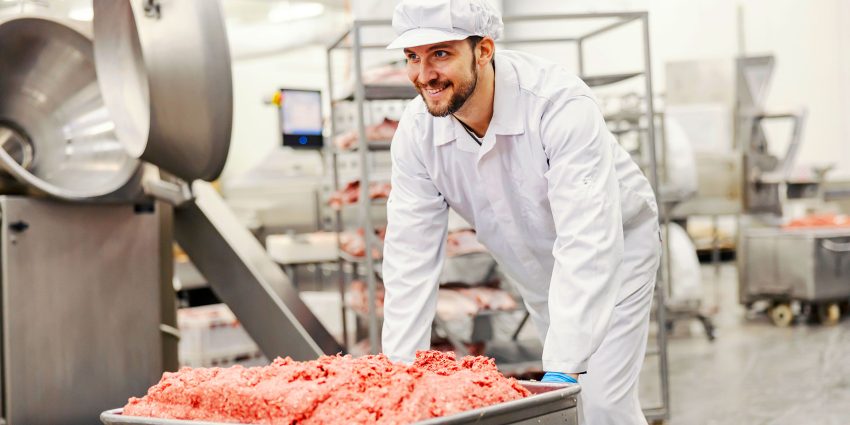
The meat processing industry is a marvel of modern engineering, where precision, hygiene, and efficiency converge to feed millions of people every single day. Behind every perfectly portioned steak, every uniform sausage link, and every tray of ground beef on grocery store shelves lies a complex network of specialized machinery. At the heart of this industry are meat processing equipment manufacturers, the innovators who design, build, and refine the tools that transform raw protein into the products consumers know and love.
Whether you’re running a small butcher shop, managing a mid-sized processing facility, or overseeing a large-scale industrial operation, choosing the right equipment partner can make or break your business. In this guide, we’ll explore the leading manufacturers, the technology shaping the industry, and what to look for when investing in your next piece of equipment.
Why Meat Processing Equipment Manufacturers Matter
The quality of your finished product is only as good as the equipment that produces it. Top-tier meat processing equipment manufacturers don’t just build machines; they engineer solutions that address food safety, regulatory compliance, throughput, and labor efficiency.
In an industry where margins are thin and consumer expectations are high, working with the right manufacturer means access to:
- Cutting-edge automation that reduces labor costs and human error
- Hygienic design standards that meet USDA, FDA, and global food safety regulations
- Durable construction that withstands the rigorous demands of daily processing
- Comprehensive support including installation, training, and ongoing maintenance
Leading Categories of Meat Processing Equipment
Before diving into the manufacturers themselves, it’s helpful to understand the main categories of equipment used throughout the meat processing chain. Each stage, from slaughter to packaging, requires specialized machinery.
Slaughtering and Primary Processing
This stage involves stunning, bleeding, dehiding, evisceration, and carcass splitting. Equipment in this category must be robust, precise, and designed for both worker safety and animal welfare compliance.
Grinding, Mixing, and Emulsifying
Grinders, mixers, and bowl choppers are foundational to any operation producing ground meat, sausages, or emulsified products like hot dogs and bologna. These machines vary widely in capacity, from countertop models for butcher shops to industrial systems processing thousands of pounds per hour.
Cutting, Slicing, and Portioning
Band saws, dicers, slicers, and portioning systems deliver the consistency that retailers and foodservice operators demand. Modern portioning machines use vision technology and AI to maximize yield from every cut.
Smoking, Cooking, and Curing
Smokehouses, ovens, and curing systems handle the thermal processing that gives products like bacon, ham, and smoked sausage their signature flavors. Precise temperature and humidity control are critical here.
Packaging and Labeling
Vacuum packers, thermoformers, tray sealers, and automated labeling systems prepare products for distribution while extending shelf life and ensuring traceability.
Top Meat Processing Equipment Manufacturers in the World
The global market features dozens of reputable manufacturers, but a handful consistently lead the industry through innovation, reliability, and global reach.
Marel
Headquartered in Iceland, Marel is one of the largest providers of advanced food processing systems worldwide. Their solutions cover poultry, meat, and fish processing, with an emphasis on automation, software integration, and full-line solutions.
JBT Corporation
An American multinational, JBT specializes in protein processing technologies, including injection systems, cooking and chilling equipment, and freezing solutions. Their global service network is a major draw for multinational processors.
GEA Group
Germany-based GEA offers a vast portfolio of meat processing technology, from slicers and grinders to high-pressure processing and packaging systems. They are known for engineering excellence and sustainability-focused design.
Bettcher Industries
An American manufacturer famous for the Whizard® trimmer, Bettcher serves both small operators and major industrial plants with cutting tools, automated trimming systems, and ergonomic equipment.
Handtmann
A German family-owned company specializing in vacuum filling and portioning technology. Handtmann’s filling machines are widely regarded as the gold standard for sausage production and emulsion-based products.
Provisur Technologies
Based in Illinois, Provisur is a leader in grinding, slicing, forming, and defrosting equipment. Their systems are found in many of the world’s largest meat and poultry plants.
Trends Shaping Meat Processing Equipment in 2024 and Beyond
The industry is evolving rapidly, driven by labor shortages, sustainability pressures, and changing consumer preferences. Forward-thinking manufacturers are investing heavily in technologies that address these challenges.
Robotics and Automation
Robots are increasingly handling tasks once thought too delicate for machines, deboning, trimming, and even quality inspection. Vision-guided robotics combined with machine learning are now capable of adapting to natural variations in carcass size and shape.
Hygienic Design and Food Safety
Manufacturers are designing equipment with smoother surfaces, fewer crevices, and tool-free disassembly to make sanitation faster and more effective. This is especially critical as regulations around pathogens like Listeria and Salmonella tighten.
Energy Efficiency and Sustainability
Water and energy reduction are top priorities. Modern equipment uses heat recovery, variable-speed drives, and smart sensors to dramatically lower utility consumption.
Data Integration and Smart Manufacturing
Today’s processing lines generate enormous amounts of data. Leading manufacturers offer integrated software platforms that track yield, downtime, energy use, and product quality in real time, enabling continuous improvement.
How to Choose the Right Meat Processing Equipment Manufacturer
Selecting a manufacturer is a long-term commitment that affects your operations for years. Here are the key factors to evaluate before signing a purchase order.
- Match capacity to your needs. Oversized equipment wastes capital; undersized equipment becomes a bottleneck.
- Verify regulatory compliance. Ensure equipment meets USDA, FDA, EHEDG, or relevant local standards.
- Evaluate service and support. Downtime is expensive, choose a manufacturer with responsive technicians and accessible parts inventory.
- Consider total cost of ownership. Look beyond the sticker price. Energy use, maintenance frequency, and labor requirements all add up.
- Request references and site visits. Talking to existing customers and seeing equipment in action is invaluable.
- Plan for future expansion. Modular, scalable systems often save money down the road.
Don’t Overlook the Smaller Tools
While the spotlight often falls on massive industrial machines, the smaller tools used by butchers and line workers are equally important to overall efficiency. From specialized knives to ergonomic accessories, the right hand tools can dramatically improve productivity, safety, and yield. If you’re curious about how innovative accessories can enhance your operation, check out this guide on surprising tools that can revolutionize your meat processing game, it offers practical insights that complement any major equipment investment.
Regional Considerations and Emerging Manufacturers
While European and North American manufacturers dominate the global stage, emerging players from Asia, particularly China, South Korea, and Taiwan, are making significant inroads. These manufacturers often offer competitive pricing and increasingly sophisticated technology.
Companies like Nantsune (Japan), known for high-precision slicers, and various Chinese OEMs are reshaping the global supply landscape. For processors in price-sensitive markets, these alternatives are worth serious consideration, provided service support is available locally.
The Future of Meat Processing Equipment
Looking ahead, the lines between traditional meat processing and alternative protein production are starting to blur. Many leading manufacturers are now developing equipment compatible with plant-based and cultivated meat products, signaling a broader transformation of the protein industry.
Expect to see more AI-driven quality control, predictive maintenance powered by IoT sensors, and even greater emphasis on water recycling and carbon footprint reduction. The manufacturers that thrive will be those who balance innovation with the rugged reliability the industry demands.
Final Thoughts
Choosing among meat processing equipment manufacturers is one of the most consequential decisions a processor can make. The right partner doesn’t just sell you machines, they help you build a more efficient, profitable, and resilient operation. From global giants like Marel and GEA to specialized innovators like Handtmann and Bettcher, today’s market offers solutions for every scale and specialty.
By understanding your production needs, evaluating the total cost of ownership, and prioritizing manufacturers with strong service networks and forward-looking technology, you’ll position your business to thrive in an increasingly competitive industry. Whether you’re upgrading a single grinder or building an entire processing line from scratch, the manufacturers and tools you choose today will define the quality of your products and your bottom line for years to come.