
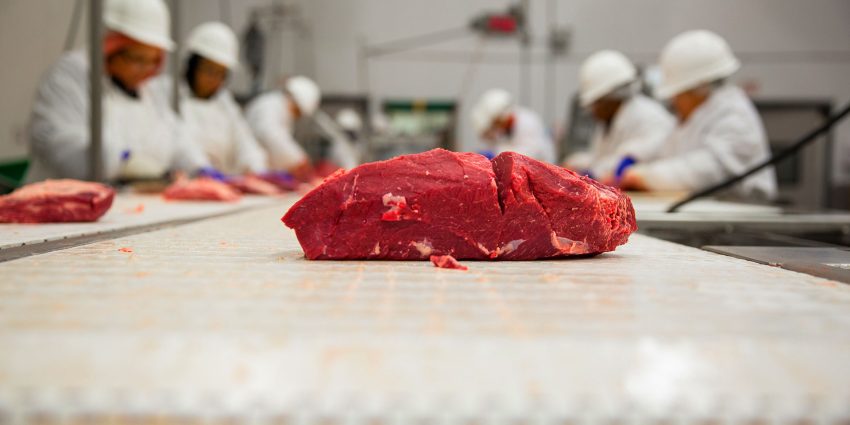
Walk into any modern manufacturing facility and you’ll notice something immediately: the machines doing the heavy lifting rarely look glamorous. They’re loud, mechanical, and often coated in a fine layer of dust or residue from whatever material they’ve been chewing through all day. Yet without processing equipment, none of the products you use daily would ever make it off the factory floor. From the phone in your pocket to the cereal in your pantry, processing equipment is the invisible backbone of modern production.
What Is Processing Equipment?
Processing equipment refers to machinery used to transform raw materials into finished or semi-finished products through mechanical, thermal, or chemical means. This includes mixers, grinders, cutters, dryers, and separators used across food, pharmaceutical, chemical, and industrial sectors. Its core purpose is efficiency, consistency, and scalability in production.
Why Processing Equipment Matters More Than Ever
Global supply chains are under pressure like never before. Companies need to produce more, faster, and with fewer errors. That pressure has pushed processing equipment from a background detail into a strategic priority for operations managers.
Consider a few realities driving this shift:
- Labor shortages are pushing companies toward automation-friendly machinery.
- Consumer demand for consistency requires precision equipment.
- Sustainability goals mean equipment must reduce waste and energy use.
- Faster production cycles require machines built for durability under constant use.
None of this happens without the right machinery humming in the background, day and night.
Common Types of Processing Equipment
Processing equipment isn’t a single category, it spans multiple industries with wildly different requirements. Here’s a breakdown of the major types you’ll encounter.
1. Cutting and Slicing Equipment
Used heavily in food production, packaging, and material fabrication, cutting equipment shapes raw materials into usable forms. Precision here is everything, dull or poorly maintained blades can slow production and compromise product quality. This is why understanding industrial blades versus consumer-grade tools matters so much when selecting cutting machinery for high-volume operations.
2. Mixing and Blending Machines
From pharmaceuticals to bakery products, mixing equipment ensures uniform consistency. Poor mixing can mean inconsistent product quality, wasted materials, or even safety issues in regulated industries.
3. Thermal Processing Equipment
This includes ovens, dryers, and pasteurizers. Thermal processing is essential for safety compliance, especially in food and pharmaceutical sectors where bacteria control is non-negotiable.
4. Separation and Filtration Systems
Used to isolate materials, remove impurities, or separate byproducts, these machines are critical in chemical processing, water treatment, and food manufacturing.
5. Packaging Equipment
Often overlooked, packaging machinery is technically part of the processing chain since it prepares finished goods for distribution and shelf life extension.
How to Choose the Right Processing Equipment
Selecting equipment isn’t just about price tags or brand names. It’s about matching machinery to your specific production goals.
- Volume needs: Will you run small batches or continuous high-volume production?
- Material type: Liquids, solids, powders, and fibrous materials all require different machinery.
- Maintenance requirements: Some equipment demands frequent servicing, others are built for long-term durability.
- Regulatory compliance: Food and pharma industries face strict safety and sanitation standards.
- Scalability: Can the equipment grow with your business, or will you outgrow it quickly?
Skipping this evaluation process often leads to costly mistakes, oversized machines sitting idle, or undersized ones bottlenecking production.
The Role of Automation in Modern Processing Equipment
Automation isn’t a buzzword anymore, it’s a baseline expectation. Modern processing equipment increasingly integrates sensors, AI-driven monitoring, and predictive maintenance alerts.
This shift means machines can now:
- Detect wear and tear before failure occurs.
- Adjust processing speeds based on real-time material feedback.
- Reduce downtime through predictive scheduling.
- Improve worker safety by minimizing manual intervention.
Facilities that adopt smart processing equipment often see measurable gains in both efficiency and safety metrics within the first year of implementation.
Maintenance Tips That Extend Equipment Lifespan
Even the best machinery fails prematurely without proper care. A few best practices can dramatically extend operational life:
- Schedule routine inspections rather than waiting for breakdowns.
- Keep cutting components sharp and properly aligned.
- Train staff thoroughly on equipment-specific operating procedures.
- Track performance data to catch inefficiencies early.
- Replace worn parts proactively instead of reactively.
Neglecting maintenance doesn’t just risk equipment failure, it risks production delays that ripple through entire supply chains.
Final Thoughts
Processing equipment might not get the spotlight, but it’s the engine driving nearly every product we consume or use. Choosing the right machinery, maintaining it properly, and embracing automation trends can mean the difference between a thriving operation and one constantly playing catch-up. As industries continue evolving, businesses that invest wisely in their processing infrastructure will be the ones setting the pace, not scrambling to keep up.
Frequently Asked Questions
What industries rely most on processing equipment?
Food production, pharmaceuticals, chemical manufacturing, textiles, and packaging industries depend heavily on processing equipment for daily operations.
How often should processing equipment be inspected?
Most facilities benefit from monthly inspections, though high-use machinery may require weekly checks depending on production volume.
Is automated processing equipment worth the investment?
Yes, for most mid to large-scale operations, automation reduces long-term labor costs and minimizes costly downtime.
What’s the biggest mistake companies make when buying equipment?
Choosing machinery based on price alone rather than matching it to actual production volume and material requirements.
Can small businesses benefit from industrial processing equipment?
Absolutely. Scaled-down industrial equipment allows small businesses to increase output without sacrificing consistency or safety standards.