
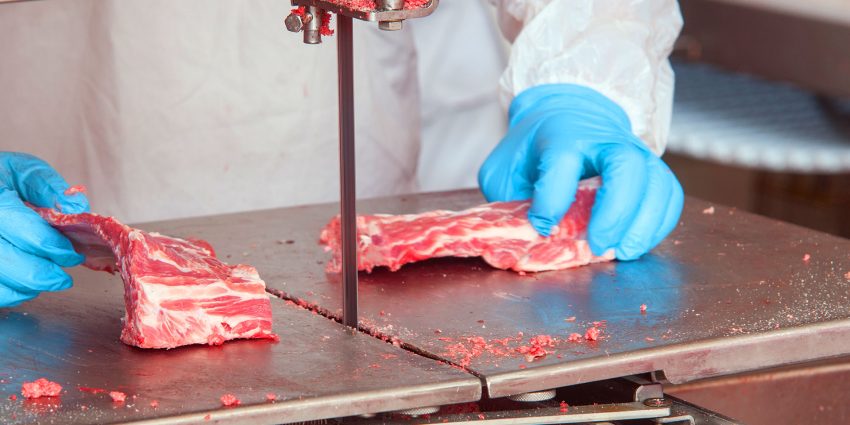
Ask any home butcher or small-scale processor what separates a smooth harvest season from a chaotic mess, and they’ll point straight to their gear. Having the right butchering supplies on hand isn’t just about convenience, it’s the difference between clean cuts, safe food handling, and hours of frustration wrestling with dull, mismatched tools. Whether you’re processing your first deer or running a full-scale meat locker, this guide breaks down exactly what belongs in your setup.
What Supplies Do You Need for Butchering?
Essential butchering supplies include a boning knife, skinning knife, cleaver, meat saw, sharpening steel, cutting boards, meat hooks, game bags, vacuum sealer, freezer paper, and heavy-duty gloves. Together, these tools cover skinning, breaking down carcasses, portioning cuts, and safely storing meat for the freezer without contamination or spoilage.
The Core Knife Set Every Butcher Needs
Knives are the heartbeat of any butchering operation. A dull or wrong-sized blade slows everything down and increases the risk of injury. You don’t need dozens of knives, but you do need the right few.
- Skinning knife: Curved blade designed to separate hide from muscle without puncturing it.
- Boning knife: Thin, flexible blade for working around joints and connective tissue.
- Butcher knife: Longer, sturdier blade for breaking down larger muscle groups.
- Cleaver: Heavy-bladed tool for splitting bone and cutting through joints cleanly.
Keep a honing steel and a whetstone nearby. A sharp knife is safer than a dull one because it requires less force, meaning less chance of slipping.
Cutting Boards and Work Surfaces
Plastic or composite cutting boards are preferred over wood in a processing environment because they’re easier to sanitize between cuts. Color-coded boards also help avoid cross-contamination if you’re processing multiple animals or species in one session.
Saws, Hooks, and Heavy-Duty Equipment
Once you move past knife work, you’ll need equipment built for volume and bone. This is where many beginners underestimate what’s actually required.
- Meat saw or bone saw: Essential for cutting through ribs, spine, and large joints.
- Gambrel and hooks: Used to hang carcasses for skinning and gutting, keeping the workspace clean and controlled.
- Meat grinder: A must if you’re planning on producing ground meat or sausage.
- Sausage stuffer: For those going beyond basic cuts into charcuterie territory.
If you’re processing regularly, investing in electric or motorized versions of these tools can save serious time and physical strain compared to manual options.
Packaging and Storage Supplies
All that careful cutting means nothing if the meat isn’t stored properly afterward. Freezer burn and spoilage are the enemies here, and the right packaging supplies prevent both.
- Vacuum sealer and bags: Removes air to prevent freezer burn and extends shelf life significantly.
- Freezer paper and butcher paper: A classic option for wrapping cuts before labeling and freezing.
- Game bags: Breathable fabric bags used to transport and cool meat before it’s processed further.
- Labels and markers: Simple, but critical for tracking cut type and processing date.
Safety and Sanitation Gear
Cut-resistant gloves, aprons, and disposable nitrile gloves protect both the butcher and the meat. Sanitizing spray or solution should also be within arm’s reach at all times to wipe down surfaces and tools between tasks.
Organizing Your Workspace for Efficiency
Having the right tools is only half the battle. Where you place them and how you move through the process matters just as much. A cluttered station leads to wasted motion, dull knives left in the wrong spot, and unnecessary contamination risks.
Setting up stations for skinning, cutting, and packaging in a logical flow keeps things moving smoothly. For those managing high-volume seasons, it helps to look into tools that save time during the busiest stretches of processing, since efficiency compounds quickly when you’re working through multiple animals in a short window.
Building a Butchering Supply Checklist
Before your next processing day, run through this shortlist to make sure nothing critical is missing:
- Skinning and boning knives, sharpened and ready
- Meat saw or bone saw
- Cleaver for bone work
- Cutting boards, ideally color-coded
- Gambrel and meat hooks
- Grinder and sausage stuffer, if applicable
- Vacuum sealer with plenty of bags
- Freezer paper and labels
- Cut-resistant gloves and sanitizer
Missing even one of these can turn a smooth session into a stressful scramble halfway through the process.
Final Thoughts
Butchering doesn’t have to be intimidating once you have the right supplies lined up. From sharp, purpose-built knives to proper storage materials, every tool plays a specific role in producing clean cuts and safely stored meat. Take the time to build your kit thoughtfully, organize your workspace, and you’ll notice the entire process becomes faster, safer, and far less stressful season after season.
Frequently Asked Questions
What is the most important butchering tool for beginners?
A quality boning knife is often considered the most versatile tool, capable of handling everything from trimming fat to separating meat from bone with precision.
Do I need an electric grinder, or is manual enough?
For occasional, small-batch processing, a manual grinder works fine. If you’re processing large amounts of meat regularly, an electric grinder saves significant time and effort.
How often should butchering knives be sharpened?
Knives should be honed before every use and fully sharpened whenever you notice increased resistance while cutting, typically every few processing sessions depending on frequency.
What’s the best way to prevent freezer burn?
Vacuum sealing is the most effective method since it removes air pockets that cause moisture loss and oxidation, which are the main culprits behind freezer burn.
Can I use the same cutting board for different meats?
It’s best to use separate, color-coded boards for different meat types to avoid cross-contamination, especially when processing multiple species in one session.