
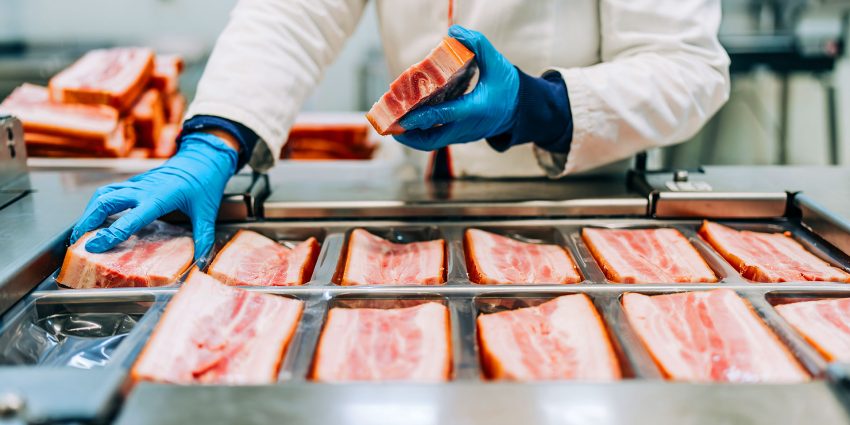
Walk into any butcher shop, smokehouse, or commercial packing facility, and you’ll hear a symphony of sounds: the hum of grinders, the whir of slicers, the rhythmic thump of tenderizers. Behind every perfectly portioned steak, every snappy sausage link, and every silky pâté lies a serious investment in the right gear. Whether you’re scaling up a small-batch operation or outfitting an industrial line, choosing the right meat processing equipment can make or break your output quality, your margins, and your sanity.
What is meat processing equipment?
Meat processing equipment refers to the specialized machines and tools used to transform raw carcasses into market-ready products. This includes grinders, slicers, mixers, stuffers, smokers, tenderizers, and packaging systems designed to cut, blend, season, cook, preserve, and portion meat safely and efficiently at any production scale.
The Core Categories of Meat Processing Equipment
Before you start filling a purchase order, it helps to understand the major equipment families. Each plays a distinct role in the workflow, and skipping any one of them creates a bottleneck that ripples through your entire operation.
1. Grinders and Mincers
The workhorse of any processing setup. Grinders break down primal cuts into uniform texture for burgers, sausage, meatballs, and ground blends. Look for motor horsepower that matches your daily volume, hardened steel plates, and easy-disassembly heads for cleaning.
- Tabletop grinders: Ideal for small shops processing under 200 lbs per day.
- Floor-model grinders: Built for high-volume work, typically 500+ lbs per hour.
- Mixer-grinders: Combine grinding and seasoning into a single step.
2. Slicers and Saws
Precision cutting tools handle everything from deli portions to bone-in primals. Gravity-feed slicers dominate cold-cut prep, while band saws tackle frozen cuts, ribs, and bone. Blade quality matters more than almost any other spec here, since dull edges crush tissue and waste yield.
3. Mixers and Tumblers
These machines blend seasonings, brines, and binders into ground or whole-muscle products. Vacuum tumblers go a step further, pulling cure deep into the protein for hams, jerky, and marinated cuts. The result is even flavor and longer shelf life.
4. Sausage Stuffers and Linkers
Hydraulic and pneumatic stuffers move ground product into casings with consistent pressure, which prevents air pockets and blowouts. Automatic linkers twist links to exact weights, a feature that pays for itself when you’re shipping to retail.
5. Smokers, Ovens, and Cookers
Thermal processing equipment turns raw product into ready-to-eat goods. Modern smokehouses combine smoke generation, humidity control, and precise temperature stages in a single programmable unit. Consistency here is what separates artisan products from forgettable ones.
How to Choose the Right Equipment for Your Operation
Volume, budget, and product mix should drive every buying decision. A weekend deer processor and a USDA-inspected facility live in different universes, even if they technically use the same categories of machines.
Small Shops & Startups
Prioritize multifunction machines, manual stuffers, and tabletop grinders. Focus on tools that handle 100 to 500 lbs per shift without crushing your power bill or kitchen footprint.
Mid-Size Producers
Invest in dedicated mixer-grinders, vacuum tumblers, and semi-automatic stuffers. Stainless steel construction and CIP (clean-in-place) features become non-negotiable.
Industrial Plants
Go big: continuous-flow grinders, automated linkers, robotic packaging, and integrated smokehouse systems. Throughput, traceability, and HACCP compliance lead the conversation.
Hand Tools Still Matter More Than You Think
It’s easy to obsess over the big-ticket machinery, but the small stuff in a butcher’s hand often decides whether a cut looks craft or careless. Boning knives, breaking knives, hooks, steels, and gambrels still drive daily productivity in ways spreadsheets rarely capture. If you want a deeper look at the gear that gets overlooked, this rundown on the underrated tools in meat processing is worth bookmarking.
Key Features Worth Paying Extra For
Cheap equipment costs more in the long run. Downtime, replacement parts, and yield loss eat any savings within months. When comparing models, weigh these features heavily:
- Stainless steel construction: 304-grade or better resists corrosion and meets sanitation standards.
- Tool-free disassembly: Faster cleaning means more production hours.
- Variable speed controls: Lets one machine handle multiple product types.
- Sealed bearings and gearboxes: Prevent grease contamination and extend service life.
- Local parts availability: A machine is only as good as your ability to fix it on a Tuesday morning.
Sanitation and Compliance Are Part of the Equipment Story
Every piece of meat processing equipment you buy will face USDA, FDA, or state inspection at some point. Surfaces must be smooth, welds must be continuous, and crevices that trap product are red flags. Plan for cleaning workflow when you map your floor layout, not after the equipment shows up on a pallet.
Pro tip: Always request 3-A or NSF certification documentation before you sign a purchase order. Inspectors will ask, and retrofitting non-compliant equipment is brutally expensive.
Common Mistakes Buyers Make
After years of watching shops scale up (and sometimes down), a few patterns keep repeating. Avoid these and you’ll be ahead of most of your competition.
- Undersizing motors: Buying a grinder rated for your average day, not your busiest day.
- Ignoring electrical specs: Single-phase shops trying to run three-phase equipment leads to costly retrofits.
- Skipping the demo: Always run your own product through the machine before buying.
- Forgetting parts lead time: Imported equipment may mean six-week waits for a replacement gasket.
- Buying used without inspection: Hidden wear on auger threads and gearboxes turns bargains into boat anchors.
Frequently Asked Questions
What is the most essential piece of meat processing equipment for a small butcher shop?
A quality commercial-grade grinder usually tops the list, followed closely by a band saw and a vacuum sealer. These three cover the majority of daily tasks for shops handling whole or half animals.
How much does it cost to outfit a small meat processing facility?
Entry-level setups run from $15,000 to $40,000 for basic grinders, mixers, stuffers, and packaging. Mid-size operations with smokehouses and tumblers typically land between $75,000 and $200,000.
How often should meat processing equipment be serviced?
Daily cleaning is mandatory. Beyond that, schedule blade sharpening weekly, gearbox inspections quarterly, and full preventive maintenance annually. Following manufacturer intervals protects warranties and uptime.
Can I use household equipment for small-batch meat processing?
For personal use, yes, but commercial sale almost always requires inspected, certified equipment. Home grinders and sealers lack the power and sanitation features needed for regulated production.
What’s the difference between a meat grinder and a meat mincer?
The terms are often used interchangeably. Technically, mincers produce a finer texture and are more common in European usage, while grinders cover the broader category including coarse plates for chili grinds.
Final Thoughts
Building a meat processing operation is part craft, part engineering, and part stubbornness. The right equipment lineup turns raw protein into products people actually want to buy, while the wrong choices quietly drain profit through downtime, yield loss, and inspection headaches. Start with your volume, plan your workflow around sanitation, and never underestimate how much the small hand tools influence the polish of your final product. Buy once, buy right, and your machines should outlast your business plan.