
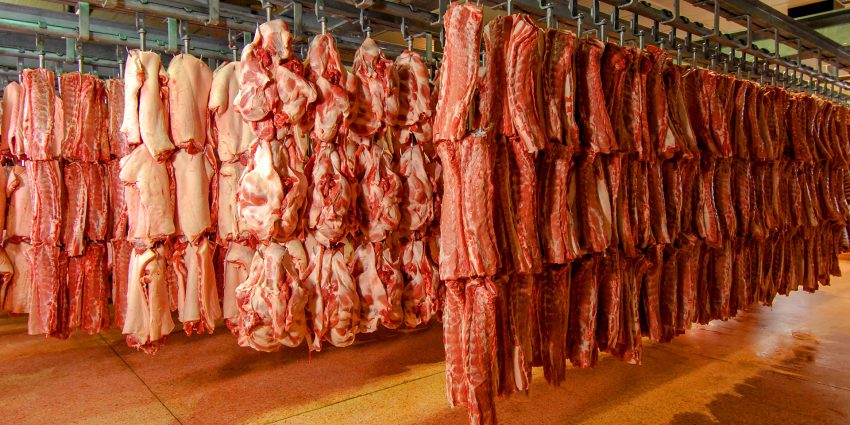
The meat processing industry has undergone a remarkable transformation over the past few decades, evolving from manual labor-intensive operations into highly sophisticated, technology-driven facilities. Whether you run a small artisanal butcher shop or oversee a large-scale commercial plant, the right meat processing equipment can dramatically improve efficiency, food safety, and product quality. In this comprehensive guide, we’ll explore the essential machinery, emerging technologies, and best practices that define modern meat processing today.
Understanding Meat Processing Equipment
Meat processing equipment encompasses the wide range of tools and machinery used to convert raw animal carcasses into ready-to-sell products. From slaughterhouse operations to packaging lines, each piece of equipment plays a specific role in the production chain.
The equipment you choose directly impacts your bottom line. High-quality machines reduce waste, accelerate production, and ensure consistent results. They also help meet stringent regulatory standards set by agencies like the USDA and FDA.
Did You Know? The global meat processing equipment market is projected to exceed $15 billion by 2028, driven by rising meat consumption and demand for automation in food production.
Essential Categories of Meat Processing Equipment
Modern meat processing facilities rely on several core equipment categories, each designed for a specific stage of production. Understanding these categories will help you build a workflow that maximizes efficiency and quality.
1. Cutting and Slicing Equipment
This category includes band saws, meat slicers, dicers, and portion cutters. These machines transform large primal cuts into retail-ready portions with precision and speed.
- Band saws: Ideal for cutting through bone and large pieces of meat
- Meat slicers: Perfect for deli meats, bacon, and uniform thin slices
- Dicers: Produce uniform cubes for stews, kebabs, and processed products
- Portion cutters: Ensure consistent weight for steaks and patties
2. Grinding and Mincing Equipment
Meat grinders and mincers break down meat into ground product for sausages, burgers, and meatballs. Industrial grinders can process hundreds of pounds per hour, while smaller countertop models suit boutique operations.
3. Mixing and Blending Equipment
Once meat is ground, mixers blend it with seasonings, fats, and binders to create uniform sausage mixes, marinades, and emulsified products. Vacuum mixers further enhance texture by removing air pockets.
4. Stuffing and Filling Equipment
Sausage stuffers fill casings with prepared meat mixtures. Modern hydraulic and pneumatic stuffers offer precise portion control and high-speed output for commercial operations.
5. Smoking, Cooking, and Curing Equipment
Smokehouses, ovens, and curing chambers transform raw products into finished goods. These units offer programmable temperature, humidity, and smoke controls for repeatable results.
6. Packaging Equipment
Vacuum sealers, tray sealers, and modified atmosphere packaging (MAP) systems extend shelf life and present products attractively to consumers.
Choosing the Right Equipment for Your Operation
Selecting meat processing equipment isn’t a one-size-fits-all decision. Your choice depends on production volume, product variety, available space, and budget. Here are key factors to consider.
Production Capacity
Match equipment capacity to your output goals. Oversized machines waste energy and capital, while undersized units bottleneck production. Calculate your peak demand and add 20-30% buffer capacity for growth.
Material Quality and Hygiene
Stainless steel (typically grade 304 or 316) is the gold standard for meat processing equipment due to its corrosion resistance and ease of cleaning. Look for designs that minimize crevices where bacteria can hide.
Energy Efficiency
Modern equipment often features variable-speed drives, improved insulation, and smart controls that reduce energy consumption by 15-25% compared to older models.
Compliance and Certifications
Ensure equipment meets standards from USDA, FDA, NSF, and 3-A Sanitary Standards. These certifications confirm that the machinery is safe for food contact and meets regulatory requirements.
The Rise of Automation and Smart Technology
Automation is reshaping the meat processing landscape. Robotic deboning systems, AI-powered quality inspection, and IoT-enabled monitoring are no longer reserved for industrial giants.
Smart sensors track temperature, humidity, and equipment performance in real time, alerting operators to potential issues before they cause downtime. Machine learning algorithms can even optimize cutting patterns to maximize yield from each carcass.
Benefits of Automation
- Reduced labor costs
- Improved consistency
- Enhanced food safety
- Higher throughput
Considerations
- Higher upfront investment
- Operator training required
- Maintenance complexity
- Integration with existing systems
Equipment for Small-Scale and Artisanal Butchers
Not every operation needs industrial-scale machinery. Small butcher shops and craft producers can achieve outstanding results with professional-grade tools designed for lower volumes. Investing in well-engineered hand tools, knives, and tabletop equipment helps craft butchers deliver quality cuts that rival those of larger producers while preserving the artisanal touch their customers value.
Pairing skilled craftsmanship with the right equipment elevates products from ordinary to exceptional. Many small butchers find that even a single high-quality grinder or vacuum sealer dramatically improves their output and customer satisfaction.
Maintenance Best Practices
Even the best equipment will fail without proper care. Implementing a robust maintenance program extends machine life, reduces downtime, and protects your investment.
- Daily cleaning: Sanitize all food-contact surfaces after each shift using approved cleaning agents
- Weekly inspections: Check belts, blades, seals, and electrical connections for wear
- Monthly lubrication: Apply food-grade lubricants to moving parts according to manufacturer specifications
- Annual servicing: Schedule professional inspections for major equipment to catch issues early
- Documentation: Keep detailed maintenance logs for regulatory compliance and warranty claims
Food Safety and Sanitation Considerations
Meat processing equipment must support rigorous sanitation protocols. Cross-contamination, bacterial growth, and foreign material contamination are constant threats that proper equipment design and cleaning procedures help mitigate.
Look for equipment with smooth, sloped surfaces that drain completely. Tool-free disassembly makes deep cleaning faster and more thorough. CIP (Clean-in-Place) systems are increasingly popular for larger operations, allowing automated sanitation without complete equipment teardown.
Trends Shaping the Future of Meat Processing
The industry continues to evolve in response to consumer preferences, sustainability concerns, and technological advances. Several trends are worth watching.
- Plant-based and alternative proteins: Equipment manufacturers are developing dual-purpose machines that handle both traditional meat and plant-based products
- Sustainability focus: Energy-efficient designs, water reclamation systems, and waste reduction technologies are becoming standard
- Traceability: Blockchain integration and detailed batch tracking provide transparency from farm to fork
- Worker safety: Ergonomic designs and protective features reduce repetitive strain injuries
- Modular systems: Flexible equipment configurations allow processors to adapt quickly to changing product demands
Investing Wisely in Meat Processing Equipment
When evaluating purchases, consider total cost of ownership rather than just upfront price. A cheaper machine that breaks down frequently or wastes product costs far more than a premium model with superior reliability and yield.
Request demonstrations whenever possible, talk to current users of the equipment, and verify after-sales support availability. A reputable manufacturer should provide training, spare parts, and responsive technical assistance.
Conclusion
The right meat processing equipment is the backbone of any successful meat business, whether you’re producing artisanal sausages or running a large industrial operation. From cutting and grinding to smoking and packaging, each piece of machinery plays a critical role in delivering safe, high-quality products to consumers. Take the time to assess your needs carefully, invest in quality, and your equipment will reward you with years of reliable, profitable service.