
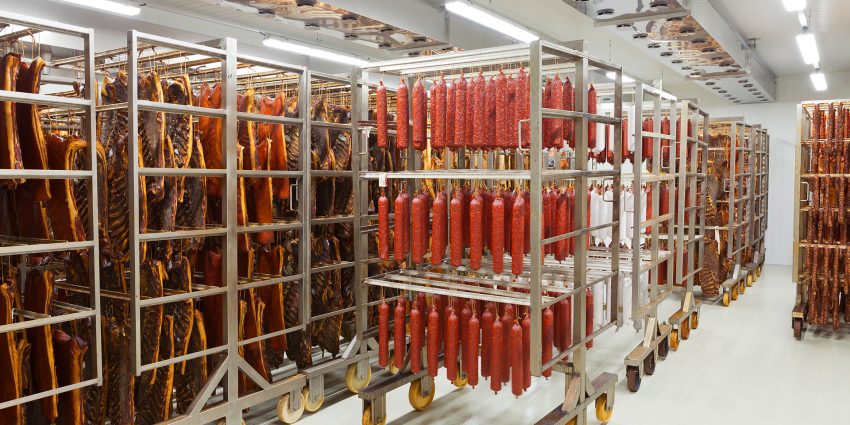
If you’ve ever stood at the meat counter wondering why some cuts come perfectly trimmed while others arrive with stray flaps and uneven edges, the answer often lies in two specialized cuts most consumers have never heard of: hook and rail meats. These hidden gems of the butchery world represent the careful, skilled trimming work that happens between the moment an animal is processed and the moment a cut reaches your plate. Understanding hook and rail meats not only deepens your appreciation for quality meat but also reveals the craftsmanship behind every steak, roast, and ground beef package.
In this guide, we’ll break down what hook and rail meats actually are, why they matter to processors and consumers alike, and how modern butchery practices have refined these cuts into both culinary opportunities and economic necessities.
What Are Hook and Rail Meats?
Hook and rail meats are the trimmings, scraps, and edge cuts that are removed from carcasses while they hang on hooks and travel along processing rails in a slaughterhouse or butcher facility. The term originates from the physical setup of meat processing plants, where carcasses are suspended from overhead rails and moved through stations where butchers trim, shape, and clean each side of beef, pork, or lamb.
Rather than being waste, these trimmings are highly valuable. They include lean muscle pieces, fat trim, and connective tissue that get repurposed into ground meats, sausages, value-added products, and rendered fats. In essence, hook and rail meats represent the difference between a polished retail cut and the raw carcass it came from.
Hook Meats vs. Rail Meats: The Key Distinction
While the terms are often used together, they refer to slightly different stages of processing:
- Hook meats: Trim collected directly from carcasses while they’re suspended on hooks, typically during initial breakdown and inspection.
- Rail meats: Trim gathered as carcasses move along the processing rail, often during fabrication into primal and subprimal cuts.
Together, they encompass virtually all the secondary meat material that doesn’t end up as a primary retail cut but still has significant nutritional and economic value.
Why Hook and Rail Meats Matter in Modern Butchery
The collection and handling of hook and rail meats is far more than an afterthought in meat processing. It’s a critical component of profitability, sustainability, and food safety in the industry.
Maximizing Carcass Utilization
A whole beef carcass yields roughly 60-65% saleable retail cuts. The remaining percentage includes bone, fat, and trim, much of which becomes hook and rail meat. Without efficient collection of these trimmings, processors would lose substantial revenue and contribute to food waste. Properly trimmed hook and rail meats become:
- Ground beef and ground pork blends
- Sausage and hot dog formulations
- Stew meat and kabob cuts
- Rendered tallow and lard
- Pet food ingredients
Quality Control and Food Safety
The process of trimming hook and rail meats also serves as a quality and safety checkpoint. Skilled butchers identify and remove bruised tissue, contaminated areas, and undesirable connective tissue during this phase. Clean, precise cuts during trim work directly impact the final product’s appearance, shelf life, and microbial safety.
Did you know? The quality of hook and rail meat largely depends on the precision of the tools used. Dull or poorly designed knives create ragged edges, increase bacterial contact surfaces, and reduce yield. To dive deeper into how blade engineering influences cut integrity, explore the science behind how tool design directly affects meat quality and yield.
The Economics of Hook and Rail Meats
For commercial processors, hook and rail meats can mean the difference between profit and loss. Margins in the meat industry are notoriously thin, and every ounce of usable trim adds up. A single beef carcass can generate 80 to 120 pounds of trim that gets converted into ground products or further-processed items.
Pricing and Market Value
Trim is typically classified by its lean-to-fat ratio. You’ll often see designations like:
- 50/50 trim: 50% lean, 50% fat, used in lower-cost ground products and sausages.
- 73/27 trim: Common standard for everyday ground beef.
- 81/19 trim: Leaner blend used in premium ground products.
- 90/10 trim: Very lean, often combined with fattier trim to hit specific ratios.
These classifications come almost entirely from hook and rail meat collection, making the trimming process a foundational element of the global meat economy.
How Skilled Butchers Handle Hook and Rail Trim
Quality hook and rail meat handling requires both speed and precision. In a high-volume plant, butchers may process hundreds of carcasses per shift, yet each cut must meet specifications for cleanliness, uniformity, and contamination prevention.
Best Practices in Trim Collection
- Sharp, well-maintained tools: Clean cuts reduce yield loss and minimize bacterial spread.
- Temperature control: Trim must be quickly chilled to prevent microbial growth.
- Separation by category: Lean trim, fat trim, and bone-in pieces are sorted immediately.
- Visual inspection: Each piece is checked for defects, bone fragments, or contamination.
- Traceability: Modern facilities track trim back to specific carcasses for food safety compliance.
Hook and Rail Meats in the Consumer Kitchen
While most consumers won’t buy “hook and rail meat” by name, they encounter it constantly. Almost every package of ground beef, breakfast sausage, hot dog, and meatball contains material that started as hook and rail trim. Understanding this connection can change how you shop and cook:
- Read labels carefully: Higher-end ground products often specify the cut origin (e.g., “ground chuck” or “ground sirloin”), indicating premium trim.
- Consider blends: A good 80/20 ground beef from quality trim often outperforms a leaner blend in flavor and juiciness.
- Buy from trusted butchers: Local processors who handle their own trim often produce superior sausages and ground meats.
The Future of Hook and Rail Processing
Technology is rapidly transforming how hook and rail meats are handled. Automated trimming systems, AI-powered visual inspection, and robotic cutting tools are increasing yield while reducing labor strain. At the same time, consumer demand for transparency and sustainability is pushing the industry to find new uses for every part of the carcass, from collagen extraction to specialty pet foods to sustainable rendered products.
Forward-thinking processors are also investing in tool innovation, recognizing that even small improvements in blade geometry, handle ergonomics, and edge retention can yield significant gains across thousands of cuts per day.
Conclusion: The Hidden Backbone of the Meat Industry
Hook and rail meats may not be glamorous, but they’re absolutely essential to how the modern meat industry functions. From maximizing carcass yield and ensuring food safety to producing the ground meats and sausages we eat every day, this often-overlooked category of trim is the unsung hero of butchery. Understanding hook and rail meats gives you a richer perspective on what goes into every cut you cook, and a deeper appreciation for the skilled hands and well-designed tools that make it all possible.
Whether you’re a home cook, a culinary professional, or simply curious about where your food comes from, recognizing the role of hook and rail meats is a step toward becoming a more informed and conscious consumer.