
Ever stood in front of a half-processed hog, holding a dull knife, wondering why the whole job is taking three times longer than it should? That frustration almost always traces back to one thing: the wrong butchery equipment. Whether you’re running a small-scale meat business or processing your own livestock at home, the tools you choose determine whether the job is smooth, safe, and efficient or a slow, bloody headache.
What Equipment Do You Need for Butchery?
Essential butchery equipment includes a boning knife, cleaver, bone saw, meat grinder, cutting boards, sharpening tools, and protective gear like cut-resistant gloves. A sturdy work table and vacuum sealer round out the setup, ensuring clean cuts, food safety, and efficient processing from carcass to freezer.
Why the Right Tools Make or Break the Job
Butchering isn’t just about brute force. It’s about precision, control, and knowing which tool fits which task. Using a chef’s knife to break down a hindquarter, for example, is a recipe for wasted meat and a sore wrist.
Good equipment does three things well:
- Speeds up the process without sacrificing accuracy
- Reduces physical strain on your hands and joints
- Minimizes food safety risks through cleaner, more controlled cuts
Core Categories of Butchery Equipment
Every processing setup, whether it’s in a home garage or a commercial back room, relies on a few key categories of tools. Let’s break them down.
Knives: The Backbone of Any Setup
You don’t need a hundred knives. You need the right five or six.
- Boning knife – narrow, flexible blade for separating meat from bone
- Skinning knife – curved blade for clean hide removal
- Butcher knife – wide blade for trimming and slicing large sections
- Cleaver – heavy blade for chopping through smaller bones and joints
Saws and Heavy-Duty Cutting Tools
When knives can’t cut through, saws take over. A reliable bone saw or band saw lets you portion larger carcasses into manageable sections without splintering bone or wasting meat.
Grinding and Processing Machines
If your goal is sausage, burger, or ground meat products, a quality meat grinder is non-negotiable. Look for models with multiple plate sizes so you can control texture, from coarse chili grind to fine sausage filler.
Work Surfaces and Sanitation Tools
A stable, non-porous cutting board and an easy-to-clean stainless steel table aren’t optional extras. They’re the foundation of a sanitary workspace that keeps bacteria from spreading between cuts.
Sharpening and Maintenance Gear
A dull knife is more dangerous than a sharp one. Keep a honing rod, whetstone, or electric sharpener on hand so your blades stay ready throughout the job.
Safety Gear You Shouldn’t Skip
Butchery involves sharp tools, slippery surfaces, and repetitive motion. Protect yourself with:
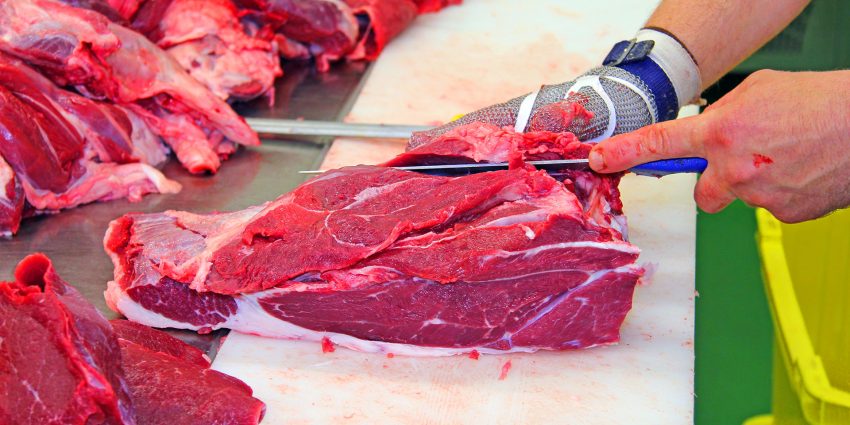
- Cut-resistant gloves
- Non-slip aprons
- Closed-toe, slip-resistant boots
- Eye protection when using saws or grinders
Setting Up a Complete Processing Station
New to home processing? It’s easy to grab a knife and start cutting, but a proper setup makes every step faster and safer. If you want a full rundown of everything from knives to packaging supplies, this butchering supplies checklist walks through exactly what a well-equipped processing station should include.
Packaging and Storage Equipment
Once the cutting is done, preserving your work matters just as much. Consider these essentials:
- Vacuum sealers to prevent freezer burn
- Butcher paper for short-term storage or wrapping
- Freezer-safe bags for ground meat and portions
- Labels to track cut type and processing date
Tips for Choosing Equipment That Lasts
Not all tools are created equal, and durability matters more than flashy features. Keep these points in mind:
- Choose high-carbon or stainless steel blades for edge retention
- Look for grinders with metal gears, not plastic, for heavier workloads
- Pick tools with comfortable, non-slip handles for long processing sessions
- Prioritize equipment that’s easy to disassemble and clean
Frequently Asked Questions
What is the most important piece of butchery equipment for beginners?
A quality boning knife is often considered the most essential tool, since it handles the majority of precision cutting tasks during processing.
Can I use regular kitchen knives for butchering?
Standard kitchen knives lack the blade flexibility and durability needed for breaking down carcasses. Purpose-built butchery knives perform better and last longer under heavy use.
Do I need a bone saw for home processing?
If you’re processing larger animals like hogs or cattle, a bone saw makes portioning much easier and reduces bone splintering compared to using a knife alone.
How often should butchery knives be sharpened?
Knives should be honed before every use and fully sharpened whenever the edge feels dull, which is often every few processing sessions depending on frequency of use.
What safety gear is essential for butchering?
Cut-resistant gloves, non-slip footwear, and a sturdy apron are the baseline protective gear needed to reduce injury risk during processing.
Final Thoughts
The difference between a frustrating processing day and a smooth one almost always comes down to preparation. Having the right knives, saws, grinders, and safety gear on hand doesn’t just speed things up, it protects your hands, your meat yield, and your sanity. Build your setup piece by piece, invest in durable tools, and processing day will start feeling less like a chore and more like a craft.